
How Bed Bugs Spread
To eliminate bedbugs caused by how bed bugs spread, local contractors can provide effective fumigation services to restore your home’s comfort.
If you’re concerned about how bed bugs spread within a property, you’re in the right place to find helpful insights. Understanding the common ways these pests move from one place to another can be crucial for property owners looking to prevent infestations or respond effectively. Whether you own a residence, manage a rental, or oversee a commercial space, knowing how bed bugs travel can inform practical steps to protect your environment. Local contractors who specialize in bedbug fumigation are familiar with these patterns and can provide targeted solutions to address any potential issues.
Exploring how bed bugs spread is a key part of maintaining a pest-free space. These pests often hitch rides on personal belongings, clothing, or furniture, making it easy for them to transfer from one location to another. Recognizing these common pathways can help property owners take proactive measures to reduce the risk of infestation. When it comes to treatment, local service providers who offer bedbug fumigation are equipped to handle the spread effectively, helping to ensure that your property remains comfortable and pest-free. Keep reading to learn more about how bed bugs move and how professional assistance can support your efforts.
- Bedbug Fumigation - needed when bed bugs have spread through an entire home or multiple rooms, and local contractors use comprehensive treatment methods to eliminate infestations.
- Bedbug Fumigation - recommended if bed bugs are suspected to have spread via luggage or personal belongings, with service providers applying targeted approaches to treat these items.
- Bedbug Fumigation - required when infestations are linked to shared spaces like apartments or hotels, with local pros coordinating treatments to prevent further spread.
- Bedbug Fumigation - necessary if bed bugs have traveled through secondhand furniture or clothing, with service providers inspecting and treating these items to block transmission.
- Bedbug Fumigation - appropriate when bed bugs are believed to have spread from neighboring units or units with high foot traffic, with local contractors implementing barrier and treatment strategies.
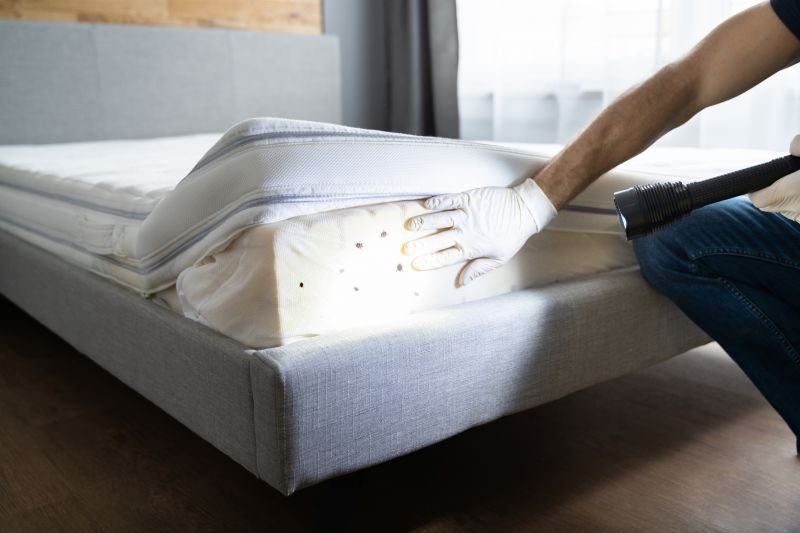
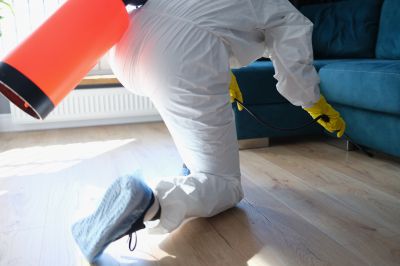
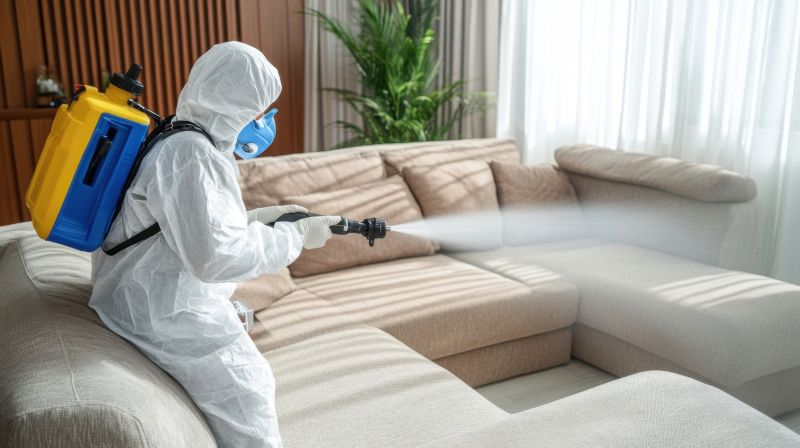
When people search for how bed bugs spread, they are often concerned about how these tiny pests can move from one place to another and establish themselves in new environments. This topic is commonly explored by homeowners who have noticed bites, unexplained itching, or signs of an infestation and want to understand how the pests might have arrived. Many are trying to identify potential sources or pathways that led to the problem, so they can prevent future spread and take effective control measures. Understanding how bed bugs travel helps homeowners grasp the importance of prompt treatment and the role local bedbug fumigation pros play in eliminating these pests from affected properties.
The issues related to how bed bugs spread are closely tied to the broader challenge of managing infestations in residential spaces. People often seek this information when planning or considering pest control strategies, especially if they are preparing to host visitors or move into a new property. Knowing how bed bugs can be transmitted helps homeowners implement practical steps to reduce risk, such as inspecting luggage, furniture, or clothing after travel. This knowledge also connects to larger plans of pest management, including thorough inspections, targeted treatments, and ongoing prevention efforts. Local service providers specializing in bedbug fumigation are key partners in executing these plans effectively, helping to contain and eliminate spread within homes and multi-unit buildings.
Certain types of properties are more frequently involved in discussions about how bed bugs spread. These include multi-family apartment complexes, hotels, dormitories, and other communal living spaces, where the close proximity of units facilitates the transfer of pests. Single-family homes can also be affected, especially if they are near infested buildings or if residents travel frequently. Cluttered environments, secondhand furniture, and shared laundry facilities are common factors that contribute to the spread. Recognizing these property types helps homeowners understand the importance of regular inspections and timely treatment by local contractors who specialize in bedbug fumigation, ensuring that infestations are addressed before they become widespread.
Understanding how bed bugs spread is essential for homeowners trying to protect their property and health. These pests are primarily transported through personal belongings, luggage, clothing, and secondhand furniture, making travel and shopping common vectors. Bed bugs can also crawl between units in multi-family buildings or hide in cracks and crevices, allowing them to move gradually from one space to another. This knowledge underscores the importance of professional pest control services, which can identify the routes of spread and implement effective treatments. Local bedbug fumigation providers have the expertise to address the specific challenges of each property type, helping to prevent the further spread of these pests and restore comfort and peace of mind.
Pest Inspection Services - pest inspection professionals identify signs of bed bug activity and common spread routes, helping homeowners understand how infestations can occur and spread within a property.
Home Inspection Projects - home inspectors assess property conditions and potential entry points, providing insight into how bed bugs may transfer between rooms or neighboring units.
Furniture and Clutter Removal - specialists in furniture disposal and clutter management assist in reducing hiding spots that facilitate bed bug spread during infestations.
Sanitation and Decontamination Services - sanitation experts help eliminate bed bug residues and prevent further spread through contaminated items or spaces.
Tenant and Property Management Consulting - consultants advise on best practices for preventing bed bug transfer in multi-unit buildings and shared spaces.
Clothing and Personal Item Treatment - professionals offer methods to treat personal belongings that may carry bed bugs, reducing the risk of spreading during travel or relocation.
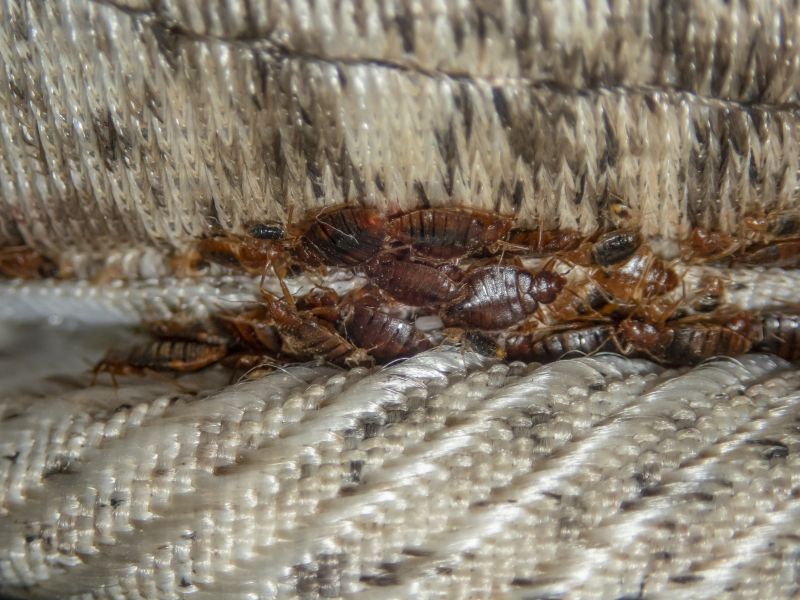
When comparing service providers for bedbug fumigation, it is important to consider their experience with similar projects. Homeowners should inquire about how long a contractor has been performing bedbug treatments and whether they have handled cases comparable to their own, such as infestations in residential homes, apartments, or multi-unit buildings. An experienced local contractor will be familiar with the common ways bed bugs spread and will be better equipped to develop an effective treatment plan that addresses the specific circumstances of the infestation.
Clear written expectations are essential when evaluating potential service providers. Homeowners should seek detailed information about what the fumigation process involves, including preparation steps, the scope of the treatment, and any follow-up procedures. Having this information in writing helps ensure that both parties share a common understanding of the work to be done and reduces the risk of miscommunication or unmet expectations. A reputable contractor will be transparent about what their service includes and provide guidance on how to prepare the space properly.
Reputable references and good communication are also key factors to consider. Homeowners are encouraged to ask service providers for references from previous clients who experienced similar infestations. This can offer insight into the contractor’s reliability and effectiveness. Additionally, responsive and clear communication from the contractor - whether through questions, explanations, or updates - helps build confidence that the provider understands the homeowner’s concerns about how bed bugs spread and can address them thoroughly. Choosing a local contractor known for professionalism and transparency can make the process smoother and more predictable.
Property owners often search for how bed bugs spread when they are planning practical projects around their homes and businesses. Local pros provide Bedbug Fumigation services for everyday jobs and straightforward project options.
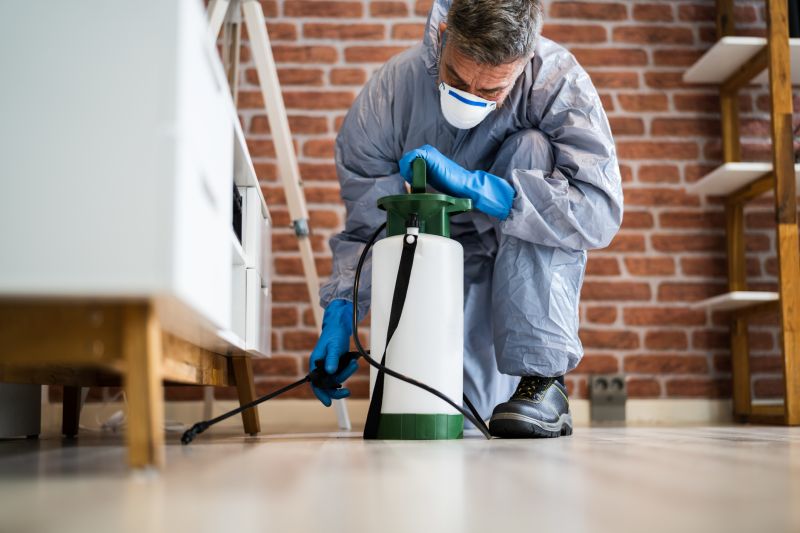

Understanding how bed bugs spread can help property owners identify potential risks and prevent infestations. Common scenarios include bringing secondhand furniture, clothing, or bedding into a home or apartment, which can inadvertently introduce these pests. Additionally, travel is a frequent source, as bed bugs often hitch a ride in luggage, backpacks, or other personal items from infested hotels or public spaces. Recognizing these everyday situations can prompt property owners to seek assistance from local contractors experienced in bedbug fumigation, ensuring effective treatment and reducing the chances of a widespread problem.
Property owners in the area might also consider the role of shared spaces, such as laundromats, public transit, or communal housing, where bed bugs can easily transfer from one location to another. Even visiting friends or family who have an existing infestation can lead to accidental spread. When such circumstances arise, connecting with local service providers specializing in bedbug fumigation can be a practical step toward eliminating the pests. These professionals can assess the situation, provide targeted treatments, and help prevent future spread, offering peace of mind for those concerned about how bed bugs move from place to place.
How do bed bugs typically spread between locations? Bed bugs often spread through infested belongings such as luggage, clothing, or furniture that are moved from one place to another. They can also crawl between adjacent units in multi-family buildings or apartments.
Can bed bugs be transmitted via clothing or personal items? Yes, bed bugs can hitchhike on clothing, backpacks, or other personal items, allowing them to transfer from infested areas to new locations.
What role do secondhand furniture and clothing play in spreading bed bugs? Secondhand furniture and clothing are common sources of bed bug transfer, especially if they are not thoroughly inspected or treated before bringing them into a home or business.
Are bed bugs able to spread through shared laundry facilities? Bed bugs can be present on clothing or bedding that has been laundered in infested facilities, so they can spread if proper precautions are not taken during laundry processes.
How can local service providers help prevent the spread of bed bugs? Local contractors can conduct thorough inspections, treat infested areas, and advise on proper handling of infested items to prevent the spread of bed bugs between locations.
Understanding how bed bugs spread helps property owners identify common pathways for infestation and implement targeted prevention strategies with the help of local contractors.
Identifying high-traffic areas allows property owners to focus on cleaning and inspecting spaces that are more likely to facilitate bed bug movement, supported by local pros.
Monitoring shared spaces can prevent bed bugs from spreading between units or rooms, with local service providers offering advice on treatment and containment.
Recognizing the role of secondhand furniture encourages property owners to inspect and treat used items before bringing them into the property, with local pros providing fumigation services when needed.
If you are thinking about how bed bugs spread for a property, this guide is meant to help you understand this topic, the typical project types, and how different options might fit your plans.
When you are ready, you can use the quote form on this page to share a few details about your project. From there, local pros can review the basics and follow up with options that match what you have in mind.